For decades, American broadcast systems have treated accessibility as a feature to add, not infrastructure to build. Closed captioning is standardized, regulated, and embedded into newsroom operations nationwide.
American Sign Language (ASL), however, remains inconsistently delivered, applied episodically, and dependent on ad-hoc decision making. For many Deaf Americans, captions are not linguistically equivalent access. ASL is their primary language.
Drawing on more than fifteen years of implementation across live events, broadcast production, and high-visibility civic moments, and grounded in international audiovisual accessibility standards, this paper outlines a production-aware framework for integrating real-time ASL into modern broadcast and streaming environments.
It demonstrates that the barrier to nationwide ASL integration is not technical feasibility, cost, or workforce scarcity. The barrier is the absence of standardized adoption pathways within U.S. media infrastructure.
Inside, you will find:
A systems-level analysis of current broadcast accessibility gaps
A comparison to international models where sign language is operationalized at scale
Production-grade standards for placement, sizing, and integration
Implementation pathways for broadcasters, policymakers, and philanthropic partners
A scalable model for workforce stability and quality assurance
A Blueprint for Scalable,
Real-Time ASL Integration in U.S. Media
Example: International Models Where Sign Language Is Operationalized At Scale
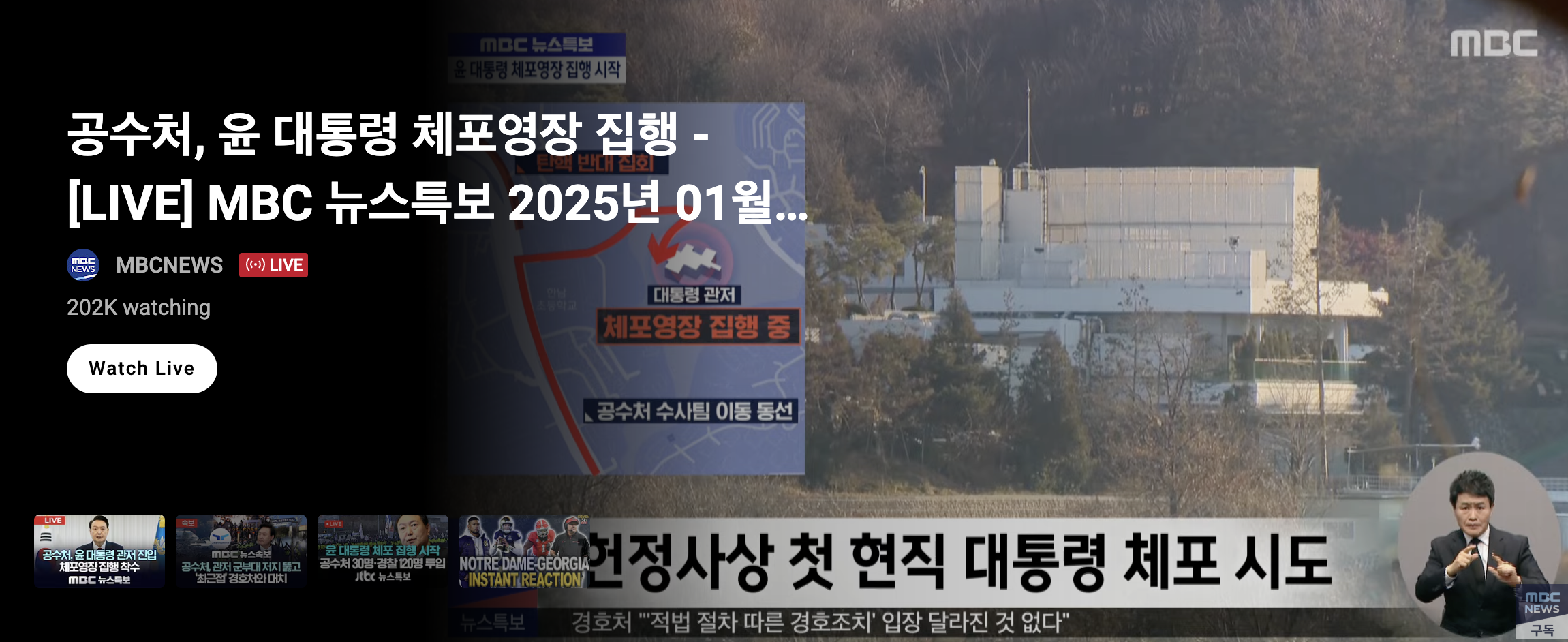
South Korea MBC (2025)
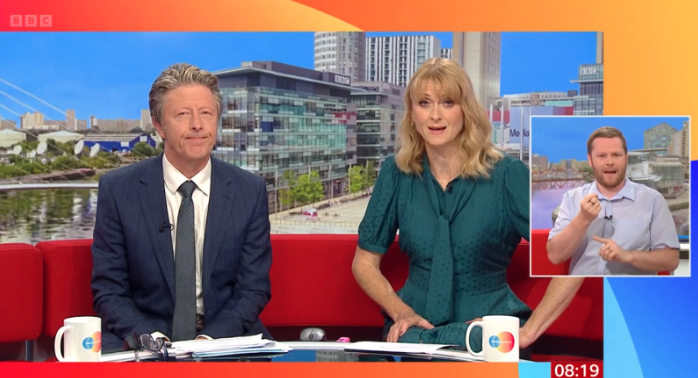
United Kingdom BBC (2024)

Sweden SVT (2015)